Break up with your phone: Embrace mindfulness to overcome digital addiction
 Kian6 min read
In today’s hyper-connected era, digital addiction isn’t just a buzzword, it’s a lifestyle hazard. We spend hours glued to our screens, losing track of time and disconnecting from real-life experiences. In this blog, we explore the harsh truth about digital addiction, its impact on our attention span, and how a mindfulness practice can be the first step toward reclaiming control over your life.
The hidden cost of excessive phone use
Every hour spent scrolling through your phone is an hour taken from meaningful activities, socializing, exercising, reading, or simply relaxing. The opportunity cost of mindless screen time is substantial: it's not just productivity that's lost, but also emotional connection and real-world experiences. Recognizing this hidden cost is the first step towards reclaiming your time.
Research indicates that the average person spends roughly five hours per day on their phone, equating to over two months per year. Imagine the personal growth, relationships, and achievements you could pursue with that time. Often, we underestimate the subtle emotional toll this constant digital engagement exacts, feeling detached, anxious, and unable to focus deeply. Reflecting on this cost regularly can inspire a meaningful shift in your behavior and lifestyle.
Why our phones are so addictive
Phones are intentionally designed to be addictive. From bright colors to intermittent rewards (the same psychological tricks used by slot machines), our devices trigger dopamine releases that keep us coming back for more. Understanding this mechanism can help you see your phone not just as a tool, but as a carefully crafted device aiming to monopolize your attention.
Developers utilize precise algorithms and sophisticated psychological strategies, such as the "variable reward" system, to create unpredictability and anticipation, two factors that significantly boost dopamine release. The endless scroll mechanism on social media platforms creates an infinite loop of content, making it harder to break away from your phone. Once you recognize these tactics, it becomes easier to counteract them with conscious intention and discipline.
Practical ways to reduce your phone usage
Here are actionable strategies that have helped many people regain control:
- Put a rubber band on your phone: This tactile reminder can break the autopilot habit of reaching for your device. Every time you pick it up, ask yourself: "What for? Why now? What else could I do?"
- Charge your phone outside the bedroom: Replace your phone alarm with a traditional alarm clock and keep a book nearby instead. This simple shift can significantly enhance sleep quality and reduce your morning stress.
- Try a dopamine detox: Taking periodic breaks from your phone can reset your dopamine levels, making real-life experiences more enjoyable again.
Additionally, scheduling specific times during the day to check your phone, rather than allowing constant, unrestricted access, can further reduce dependency. Turning off non-essential notifications, deleting distracting apps, and setting clear boundaries around your phone use can drastically improve your quality of life.
Mindfulness as a tool for digital detox
Mindfulness meditation offers an excellent foundation for cultivating better phone habits. Regular mindfulness practice increases your ability to notice impulses without immediately acting upon them. This enhanced self-awareness allows you to consciously choose your response to digital triggers rather than automatically succumbing to them.
Start small by dedicating five minutes a day to mindful breathing exercises. Gradually increase this time as your comfort with the practice grows. With consistent effort, mindfulness will become a powerful ally in reclaiming your attention from digital distractions.
The 30-Day plan to take back your life
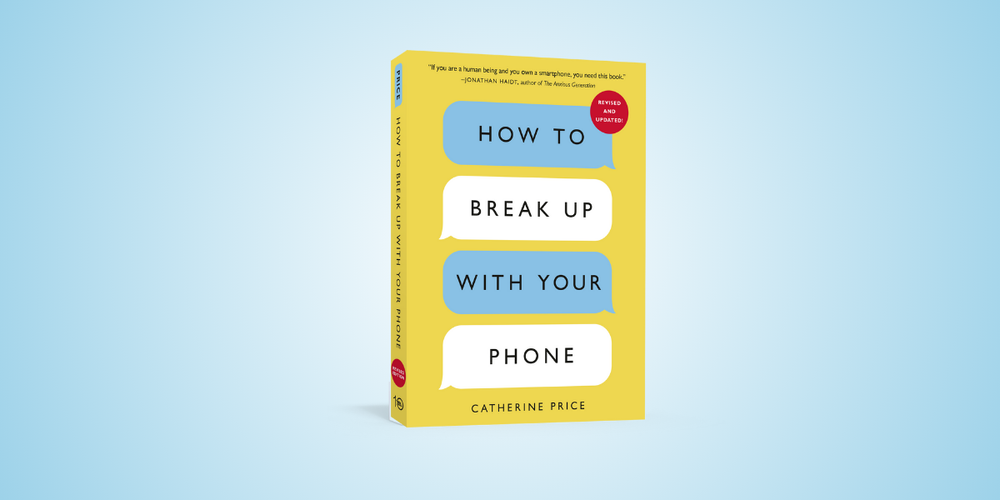
If you're serious about reclaiming your life from digital distractions, check out How to Break Up with Your Phone: The 30-Day Plan to Take Back Your Life by Catherine Anne Price. This book is a transformative guide that offers a clear, step-by-step plan to help you reset your relationship with technology. It combines actionable strategies with mindfulness techniques to boost self-awareness and reduce phone dependency. Whether you're struggling with digital overload or simply want to enjoy more quality time offline, this book provides the insights and practical tools you need to take control of your digital habits.
Atomic habits: Applying the four laws to self-awareness
I always wrap up my blogs by linking back to the practical framework of Atomic Habits. Here’s how you can apply James Clear’s Four Laws to build self-awareness and break free from digital overload:
- Make it obvious: Keep a journal next to your phone. Whenever you feel the urge to scroll, jot down your emotions instead. This heightens self-awareness about your triggers.
- Make it attractive: Pair journaling with a favorite snack or beverage, creating an enjoyable ritual around becoming more self-aware.
- Make it easy: Start by simply writing one sentence about how you're feeling whenever you pick up your phone out of habit.
- Make it satisfying: Celebrate your progress by tracking your screen-free minutes and acknowledging each small victory. For more tips on building lasting habits, check out our build your willpower post.
Final thoughts
Breaking free from phone addiction isn't about completely abandoning technology, it's about reclaiming your autonomy and using your phone intentionally. Embrace these strategies, prioritize real-world connections, and rediscover the joy of fully engaging with life. Interested in more tips and insights? Follow our blog for regular updates, or connect with us on social media to join a supportive community dedicated to personal growth.
Remember, the journey towards digital mindfulness is not about perfection but progress. Celebrate every small step you take toward a more intentional, fulfilling life.