Sleep like a boss: Master your circadian rhythm
 Kian6 min read
We often underestimate the power of sleep, treating it like a luxury instead of the essential pillar of health and performance that it is. It’s the foundation for your mood, energy, and ability to not feel like a zombie halfway through the day. Yet most of us treat it like an afterthought, something to squeeze in when we’re done scrolling Instagram at midnight. Here’s the thing: your body runs on a clock, and if you mess with it, you’re going to pay for it. We’re talking anxiety, fatigue, and that creeping sense of burnout you can’t quite shake.
The good news? Sleep isn’t some mystical art. It’s a system, one governed by light, hormones, and a few simple rules. Stick to these rules, and you’ll not only sleep better, but wake up feeling like the best version of yourself.
The two forces of sleep
1. Adenosine: The chemical that makes you sleepy
As you go about your day, adenosine builds up in your brain. Think of it as your body’s way of gently nudging you toward bedtime. The longer you stay awake, the more adenosine accumulates, creating that “I need to sleep” feeling. But here’s the catch: caffeine acts as an adenosine antagonist. It essentially hijacks the adenosine receptors in your brain, blocking that sleepy signal. That’s why your morning coffee gives you such a boost. And the crash you feel later? That’s adenosine yelling, “Told you so!”
2. Cortisol: The hormone that wakes you up
When you wake up in the morning, it’s because cortisol, the "wake-up hormone", gets released by your adrenal glands. It increases your heart rate, sharpens your focus, and essentially shouts, "Time to start the day" Cortisol doesn’t just wake you up; it also sets the clock for melatonin, the hormone that makes you sleepy 12 to 14 hours later. The whole system runs on light, particularly sunlight, which is why your morning routine plays such a crucial role in how well you sleep at night.
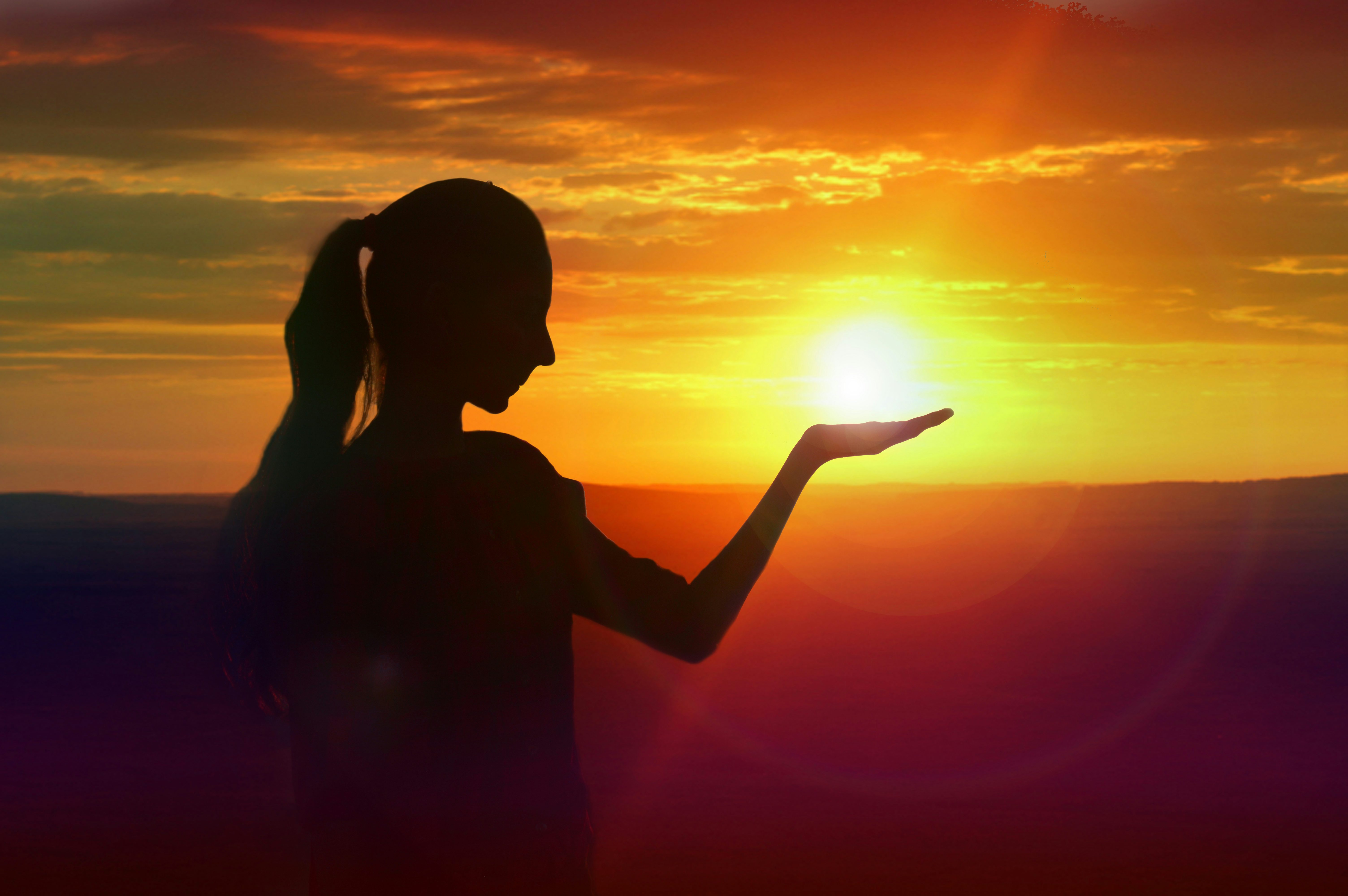
The sun is your sleep coach, so listen
Your body’s internal clock, the suprachiasmatic nucleus (SCN), is like the conductor of an orchestra, synchronizing every cell in your body. And the SCN’s primary cue? Light.
Here’s how to get it right:
- Morning sunlight matters. The best light for your circadian rhythm comes from the sun at a low solar angle, like during sunrise. This light, rich in yellow and blue wavelengths, triggers your retinal ganglion cells to reset your body’s clock.
- No excuses. Can’t catch the sunrise? Get outside for at least 2-10 minutes of daylight, even if it’s later in the morning. Sunglasses off, people. Your eyes need unfiltered light to make this work.
- Miss this step, and pay the price. Skip sunlight exposure, and your cortisol rhythm, melatonin production, and overall mood will take a hit. Long-term, it’s a recipe for anxiety, depression, and chronic fatigue.
The evening routine that saves your brain
Light doesn’t just wake you up, it also tells your body when it’s time to wind down. Here’s the deal:
- As the sun sets, the shift in light (think more reds, fewer blues) signals your pineal gland to start releasing melatonin.
- Bright lights, especially blue light, after sunset completely mess with this process. Sitting under LEDs at 11 PM? You’re sabotaging your melatonin and inviting a restless night.
Here’s how to fix it:
- Watch the sunset. The light during sunset helps stabilize your circadian rhythm.
- Dim your lights after 8 PM. Use lamps and keep them at eye level or lower. Overhead lights? Definitely not.
- Go dark after 11 PM. Blue light during this window not only disrupts sleep but also triggers your Habenula, your brain’s “disappointment center,” making you feel cranky and unmotivated.
Take control of your hormones
Still scrolling through TikTok/Instagram at midnight? You’re not just sacrificing sleep, you’re actively messing with your brain’s reward systems. Bright light late at night reduces dopamine release and increases feelings of dissatisfaction. The result? A restless night and a miserable morning.
Naps? Sure, they’re fine in moderation, keep them under 20 minutes. However, if naps leave you feeling groggy, it’s a sign you’re not getting quality sleep at night. If you struggle to nap Try Non-Sleep Deep Rest (NSDR) instead. It’s like meditation but designed to reset your brain’s relaxation systems.
Nine rules for boss-level sleep
If you want to sleep like a boss, here’s your playbook:
- Get 7-9 hours of sleep every night. No shortcuts.
- Build a consistent rhythm by sleeping and waking up at the same time daily.
- Get morning sunlight. No excuses, 2-10 minutes outside as soon as you wake up.
- Exercise in the morning for an endorphin boost.
- Avoid caffeine after 3 PM, it’s not worth the crash.
- Watch the sunset to help your body prepare for rest.
- Dim your lights after 8 PM. Keep them warm and low.
- Keep your bedroom cool at night; it helps you fall asleep faster.
- Avoid blue light entirely after 11 PM. Seriously, just stop!
Apply the Four Laws of Atomic Habits to sleep
James Clear’s Four Laws of Atomic Habits can work wonders for building better sleep habits. If you’d like to explore these principles further, check out our Building better habits blog for a deeper dive.
- Make it obvious: Leave your curtains open to let sunlight in, and set an alarm for bedtime.
- Make it attractive: Pair your morning sunlight routine with something enjoyable, like your favorite podcast or a warm drink.
- Make it easy: Use apps like Flux to dim your screens automatically, and set up bedside lamps with warm light bulbs.
- Make it satisfying: Track your sleep progress with an app, and celebrate small wins when you hit your sleep goals.
Final thoughts: Take control of your light, and your life
Sleep isn’t just a necessity, it’s a superpower. By taking control of your light exposure and building better routines, you’ll not only feel more rested but also show up as the best version of yourself every day. Start small, be consistent, and trust the process. Your future self will thank you.
For a deeper dive into the science behind sleep and actionable strategies, check out these insightful videos:
- The Science of Sleep by Andrew Huberman explores how light exposure and hormones regulate your circadian rhythm.
- 9 Evidence-Based Tips for Better Sleep shares practical advice to optimize your sleep routine.